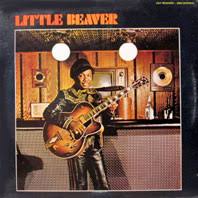
Most people don’t know the name.
But they know the feeling.
That smooth, unmistakable guitar line on Clean Up Woman?
That’s Little Beaver.
And if you’ve ever nodded your head to it without knowing why—it’s because you were listening to one of the most quietly influential guitarists in soul music.
Who Is Little Beaver?
Willie Hale—better known as Little Beaver—was born in Forrest City, Arkansas, and came up in the fertile, groove-heavy music scene of Florida.
By the late ’60s, he was working with producer Willie Clarke and recording for the Miami-based TK Records ecosystem—the same sonic universe that helped define Southern soul.
But Beaver wasn’t just another session player.
He had a signature touch—a clean, melodic guitar style that didn’t fight for attention… it slid into the pocket.
The Guitar You’ve Heard a Thousand Times
Let’s be clear:
Little Beaver didn’t just play on records.
He helped define how they felt.
His work on Clean Up Woman by Betty Wright is one of the most recognizable guitar grooves in soul history.
It’s:
- smooth without being soft
- funky without being loud
- precise without feeling rigid
That balance? That’s Beaver.
And once you hear it—you start hearing him everywhere.
The Invisible Architects of Soul
Little Beaver represents a category of artist that doesn’t always get the spotlight:
👉🏽 The session musician
These are the players behind the scenes—
the ones shaping the sound while someone else stands at the mic.
And in many cases, they are:
- under-credited
- underpaid
- but overheard
Their work lives on… even when their names don’t.
Why His Name Didn’t Travel Like His Sound
There’s a reason artists like Little Beaver didn’t always become household names.
The industry, especially in that era:
- prioritized front-facing stars
- didn’t always document session credits properly
- and often separated visibility from impact
So while Beaver’s guitar traveled across records, radio, and generations…
His name didn’t always follow.
But the Music Did
And that brings us back to the question:
If the name fades… but the music doesn’t… did they really lose?
In Beaver’s case, the answer isn’t simple.
Because while he may not have received the recognition he deserved in real time…
His sound is still:
- studied
- sampled
- and felt
That’s legacy.
Why Little Beaver Still Matters
If you care about soul music—really care—you have to care about the people who built it.
Not just the voices.
Not just the stars.
But the ones who:
- created the grooves
- shaped the feeling
- and made the records hit
Little Beaver is one of those people.
And once you know his name…
you don’t forget it.
🎧 Press Play
👉🏽 Watch the reel: Little Beaver
👉🏽 Back to the newsletter: Wyld Flow Newsletter

Press Play On Your Culture.
~Wyldflow3r
 Wyldflow3r
Leave a comment