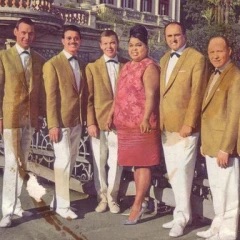
If you’ve ever heard a funky break so nasty it sounded like it belonged in a smoky basement party somewhere between Havana, Harlem, and a 1970s New York dance floor… there’s a good chance you were hearing The Chakachas.
And if you only know them from Jungle Fever?
Oh no.
That’s just the doorway.
The Chakachas were a Belgian Afro-Latin soul-funk group formed in the late 1950s, blending Latin percussion, jazz, psychedelic soul, funk grooves, and European studio experimentation into something that sounded unlike anybody else at the time. Long before “global fusion” became trendy, these folks were already mixing cultures, rhythms, and sensuality into one wild musical stew.
By the early 1970s, they accidentally created one of the most sampled and controversial grooves in music history.
The Song That Changed Everything
In 1971, The Chakachas released “Jungle Fever.”
Not the Spike Lee movie.
The song.
And whew…
That record was DIRTY by early-70s radio standards.
Moans. Heavy breathing. Hypnotic percussion. Funk basslines slithering around the beat like smoke in a nightclub. It became a massive underground hit and eventually crossed over into mainstream charts in both Europe and the United States.
Some radio stations banned it outright.
Which, of course, only made people want it more.
“Jungle Fever” reached the Billboard Hot 100 and became one of those records DJs would pull out late at night when the lights got low and the grown folks started dancing closer.
But here’s what crate diggers, producers, and real groove historians know:
The Chakachas were WAY deeper than one provocative hit.
The Secret Weapon: Rhythm
What made The Chakachas special wasn’t just shock value.
It was the rhythm section.
Those percussion arrangements were layered, loose, and deeply influenced by Afro-Cuban and Latin traditions — but filtered through European studio musicianship and American funk influence. Their records breathe. They swing. They feel almost alive.
That’s why hip-hop producers, acid jazz DJs, rare groove collectors, and breakbeat hunters kept coming back to them for decades.
You can hear echoes of their style in:
- underground hip-hop loops
- DJ break compilations
- lounge funk revivals
- trip-hop textures
- crate-digger culture of the 1990s and 2000s
Their grooves had space in them.
And producers LOVE space.
More Than “Jungle Fever”
If you really want to understand The Chakachas, don’t stop at the obvious record.
Dig deeper into tracks like:
- “Stories”
- “The Party”
- “Push Together”
- “Love, Love, Love”
- “Soledad”
That’s where you start hearing the real DNA of the band:
psychedelic Latin funk, cinematic soul, jazz phrasing, and rhythms that sound almost spiritual at times.
Some records feel sexy.
Some feel dangerous.
Some feel like they belong in a lost 1973 crime film.
And honestly?
That’s part of the magic.
Why Rare Groove Collectors Love Them
Rare Groove culture has always been about discovery.
Not just the biggest hit — but the hidden pocket.
The record behind the record.
The sample behind the sample.
The musicians who quietly shaped entire moods without getting the same recognition as American funk giants.
That’s exactly where The Chakachas live.
They weren’t from Detroit.
They weren’t from Philly.
They weren’t from Los Angeles.
And yet somehow… they made records that fit right alongside all of it.
That’s why serious collectors still hunt original pressings today.
Press Play On Your Culture 🎶
The history of Black music and groove culture isn’t just American. It traveled. It transformed people. It inspired musicians all over the world — and bands like The Chakachas are proof of that exchange.
Their music reminds us that funk is not just a genre.
It’s a feeling.
A pulse.
A conversation between cultures.
And sometimes the deepest grooves come from the places people least expect.
Stay funky.
Stay curious.
And keep digging.
— Wyldflow3r 🌺
 Wyldflow3r
Leave a comment