The Fabulous Counts — Detroit Funk
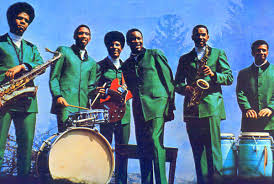
The Fabulous Counts are one of those groups that prove funk history is bigger than the names everybody already knows.
Formed in Detroit in 1968, The Fabulous Counts built their reputation as a mostly instrumental soul/funk outfit — the kind of band that could hold its own on record, but also back visiting singers and keep a room moving. Their core sound was organ-heavy, horn-driven, and deeply in the pocket: part soul-jazz, part early funk, part dance-floor grit.
Their breakthrough came with “Jan Jan,” released in 1968 on Detroit’s Moira Records. The record didn’t become a massive national pop hit, but it caught enough attention to help define their early sound: tight grooves, sharp horns, and that late-60s Detroit funk attitude.
In 1969, they released the Jan Jan album on Cotillion Records, produced by Ollie McLaughlin. By 1970, they left Cotillion and eventually signed with Detroit’s Westbound Records — the same label family that would become closely associated with Funkadelic and The Ohio Players.
Around that Westbound period, they shortened their name from The Fabulous Counts to simply The Counts. Their 1971 album What’s Up Front That — Counts pushed them deeper into funk territory, with heavier grooves, vocals, congas, and arrangements that sounded like the 1970s pulling up early.
They later moved to Atlanta, Georgia and recorded for Aware Records, releasing albums like Love Signs in 1973 and Funk Pump in 1975 before the group eventually called it quits around 1976.
One of the wildest pieces of their story? Their biggest hit came under another name. In 1972, while connected to Westbound, members recorded “Mr. Penguin — Pt. 1” as Lunar Funk, released on Bell Records. That record reached the national charts, giving them one of their strongest commercial moments under a pseudonym.
Members connected to the group included Mose Davis on keyboards, Leroy Emmanuel on guitar, Demo Cates on saxophone, and other players across their Fabulous Counts/Counts eras. Mose Davis later pursued solo work, and surviving members reunited in 2009.
And here’s where it gets personal for me:
The Fabulous Counts are often documented as a Detroit group — but that Saginaw, Michigan connection matters in my house. My dad’s band is from Saginaw (The Countdown Band), and hearing this kind of raw, regional funk reminds me that the Midwest wasn’t just watching the funk happen.
The Midwest was BUILDING it.
Detroit had Motown.
Dayton had Ohio funk.
Saginaw had musicians with grease in the groove.
And The Fabulous Counts belong in that conversation.
They weren’t just a “rare groove” footnote.
They were part of the bridge between soul-jazz, Detroit funk, early 70s groove records, and the kind of crate-digger culture that keeps rediscovering these bands decades later.
 Wyldflow3r
Leave a comment